Subscribe elementum semper nisi. Aenean vulputate eleifend tellus. Aenean leo ligula, porttitor eu, consequat vitae eleifend ac, enim. Aenean vulputate eleifend tellus.

    Subscribe elementum semper nisi. Aenean vulputate eleifend tellus. Aenean leo ligula, porttitor eu, consequat vitae eleifend ac, enim. Aenean vulputate eleifend tellus.

      July 2025

      The original Pārsīg text of the peymān (and the two following Āfrīn) is not extant. In the Zand of the Short Liturgies (Xvardag Abestāg) the Pārsīg text of the solemn promises and recitals of blessings at the marriage ceremony seems to be “an attempt” at reconstructing the original text based on a Pāzand version. The last copy of that text was made
      In the Vizargird dēnīg, there is a hemerology in which each of the thirty days of the month and each of the five days of the epact is given a number of activities to be undertaken or avoided: mādayān ī sīh rōzag (MSR). The Pārsīg text is clear, although a few words are difficult to be correctly read.

      The MJF gives the details of the riddle contest of Yōišta, one of the Fryāna, and Axtya. The tyrant Axtya threatened to destroy the city of Frašnvizārān (‘riddle-expounders’) and kill its inhabitants, unless someone were able to solve thirty-three questions (Pers. frašn) put forward by him.

      The Pārsīg treatise, guzastag Abdallāh (GA), gives an account of a theological debate which took place between the Manichaean ʿAbdallāh and the high priest Ādarfarrōbay in the presence of the Arab Caliph al-Ma'mūn (813-833 A.D.).

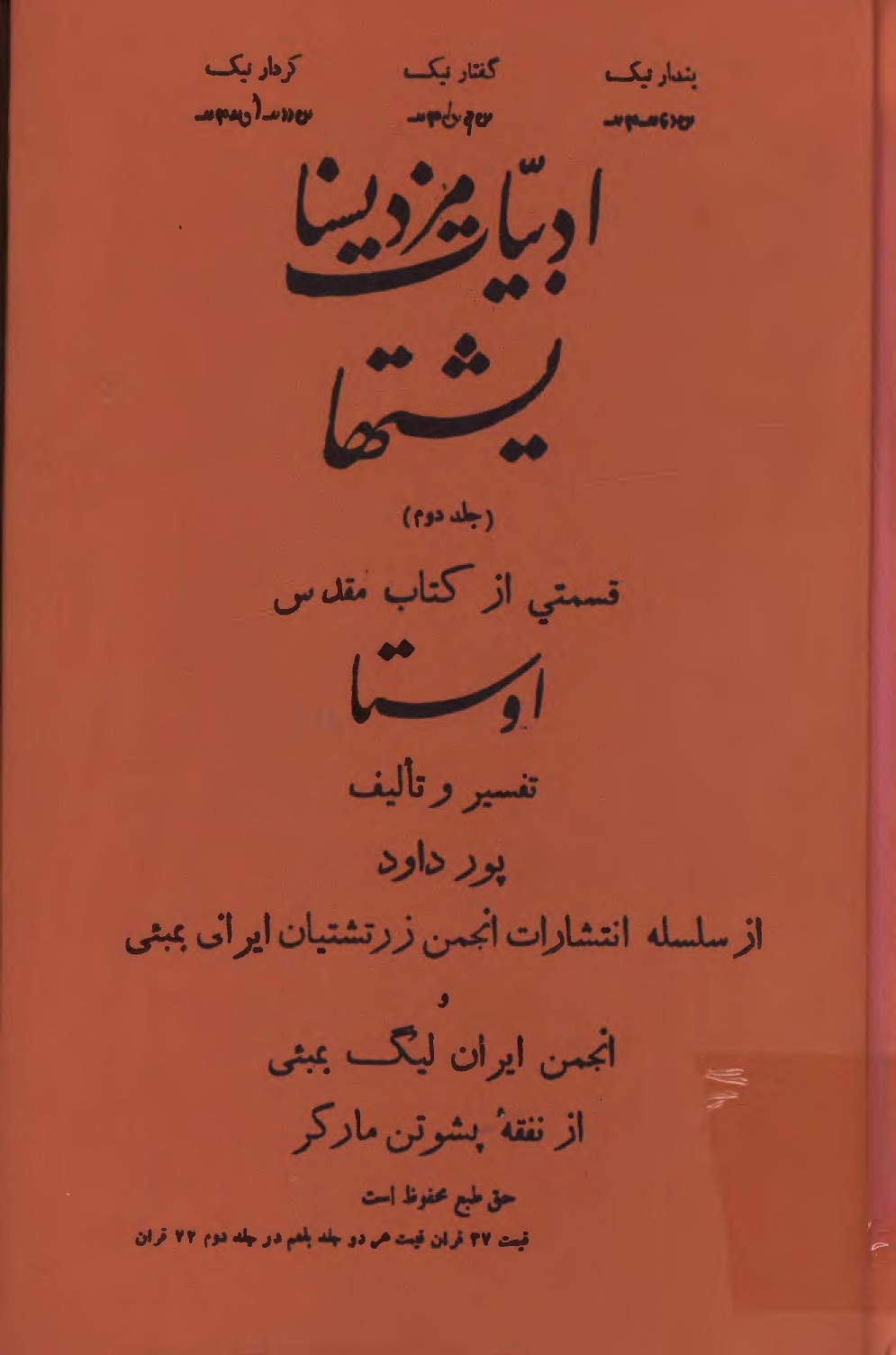
      یشتها بخشی ارجمند از نامه‌ی مینوی ایرانیان، اوستا، است که در ۲۱ بخش آن ایزدان کهن ایرانی چونان مهر و ناهید و تیشتر و

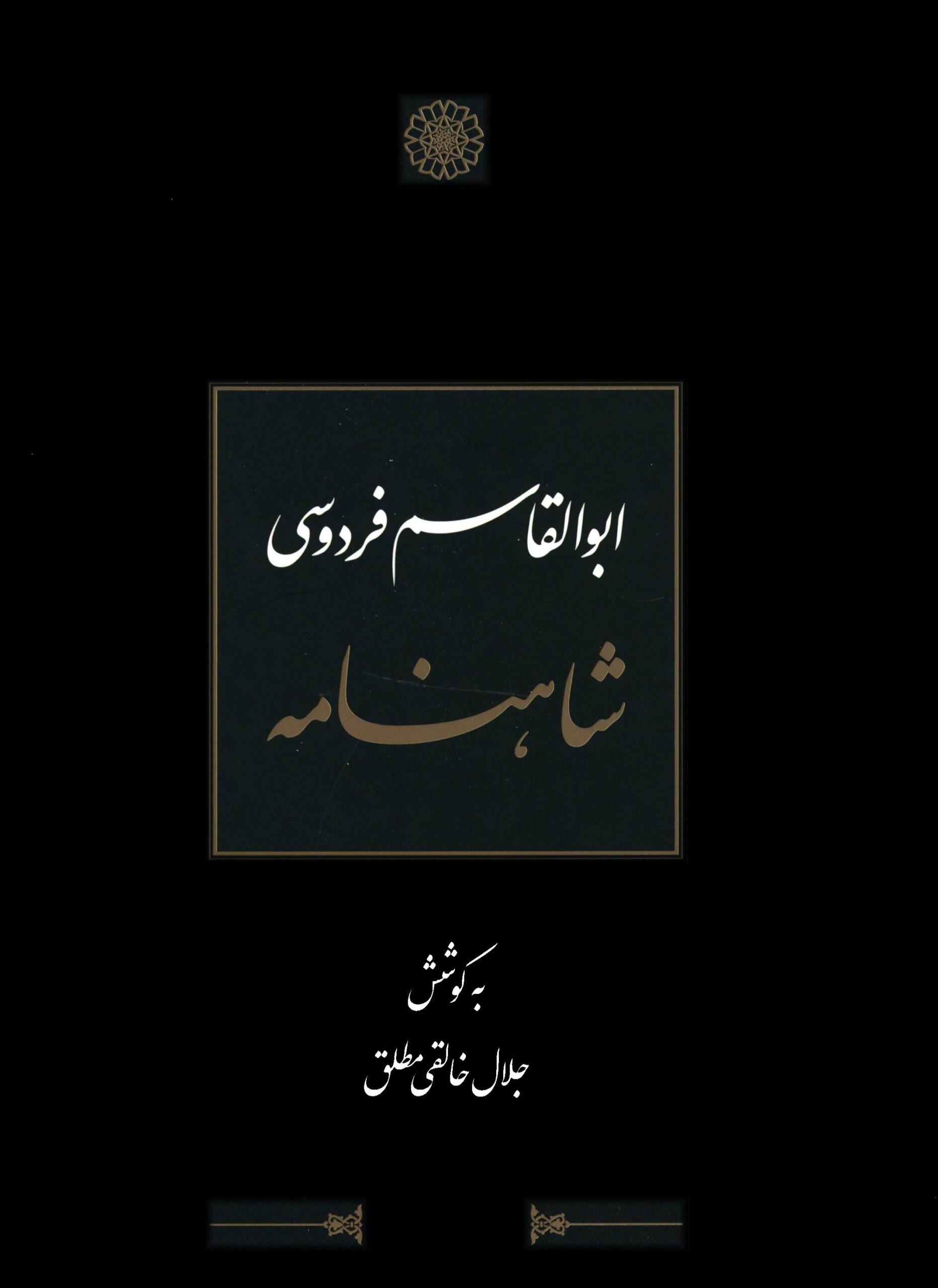
      شاهنامه بزرگترین و برجسته‌ترین سرود حماسی جهان است و سروده‌ی فردوسی فرزانه، که سرایش آن دستاورد دست کم ۳۰ سال کار پیوسته‌ی این سخن‌سرای ایرانی است. شاهنامه کارنامه‌ی شاهان پیشدادی، کیانی، اشکانی و ساسانی و بازتاب‌دهنده‌ی استوره‌ها و تاریخ ایران، از آغاز تا تازش مسلمانان به ایرانشهر، است. جدای این، شاهنامه نامه‌ی فرهنگ ایرانشهر و پشتوانه‌ی استوار زبان پارسی است.