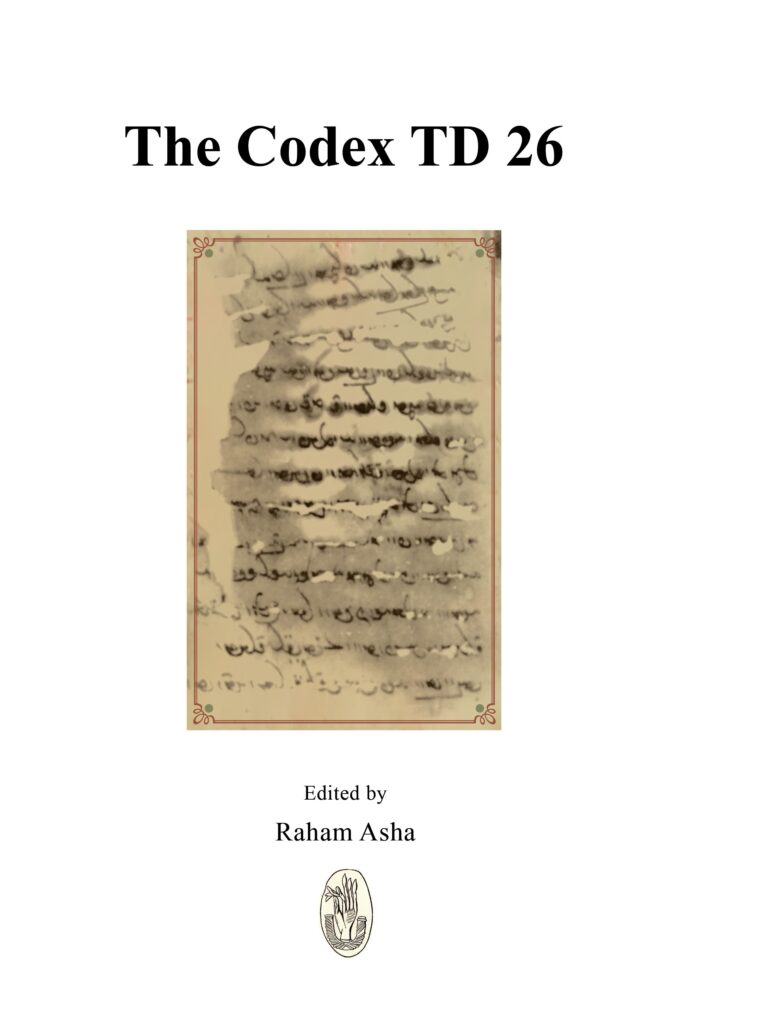

MŠV: abar madan ī šāh Vahrām ī varzāvand | The coming of the marvelous king Vahrām
Raham Asha
There exists a poem foretelling the coming of the marvelous king Vahrām, a savior figure of Iranian thought. It is, as Jehangir Tavadia states, “a rhymed ballad.”
pārsīg
kay bavād kū pēg-ē āyed az hindūgān,
kū:
«mad hān šāh Vahrām az dūdag ī Kayān
kē-š pīl ast hazār, abar sar-ō-sar ast pīlbān
kē abrāstag drafš dāred ped ēvēn ī husrōgān
pēš laškar barend ped spāh-sālārān.»
mard-ē visē abāyed kirdan, zīrag targumān,
kē šaved, bē gōbed ped hindūgān
kū amāh cē dīd az dast ī tāzīgān;
abar ēk drōv dēn nizār kird, bē ōzad šāhān
šāh ī amah ud kē ēr avēšān;
cōn dēv dēn dārend, cōn sag xvarend nān;
bē stad hend pādixšāyīh ī az husrōgān,
nē ped hunar, nē ped mardīh,
bē ped afsōs ud riyahrīh bē stad hend;
gīrend ped stahm az mardōmān
zan ud xvāstagīhā ī šīrēn, bāv ud bōyestān;
gizīdag abar nihād hend, bē baxt hend abar sarān;
abāz harāg xvāst hend, sāg ī grān;
bē niger kū cand vad abgand hān druz ped ēn gēhān
kū nēst vattar az ōy vad ped gēhān.
az amāh bē āyed hān šāh Vahrām
ī varzāvand az dūdag ī Kayān:
bē āvarem kēn ī tāzīgān
cōn Rustahm āvurd sad kēn ī Syāvaxšān!
mazgidīhā frōd hilem, bē nišāyem ātaxšān!
uzdēszārīhā bē abganem ud pāk kunem az gēhān
dā vinī šavend druz višūdagān az ēn gēhān!
frazaft ped drūd, šādīh ud rāmišn
English
When will it be that a courier comes from India,
saying that:
“King Vahrām of the Kavi family has come,
Having a thousand elephants, being an elephant-keeper upon each one,
Having raised banners, by the costume of Xusrōs
Which the generals carry before the army.”
A man should be dispatched, a clever interpreter,
Who may go and tell to the Indians,
What we have seen from the Arabs’ hands!
Abided by one Lie, they weakened the (Good) Religion and killed our King of
Kings, and whoever was Aryan.
They have religion like Demons, and eat the food like dogs.
They have taken away the sovereignty from the Xusrōs.
Not by virtue, nor by valour,
But in mockery and scorn.
By force they take away from men
Their sweet-hearts and sweet possessions, parks and gardens.
Capitation-taxes they have imposed, distributed it among their leaders.
They have demanded again the tribute, a heavy impost.
Consider how much evil that Lie has cast upon this world
Than which evil there is none worse in the world.
From us shall come that king Vahrām,
The marvelous, from the Kavi line:
We will take revenge from the Arabs
As Rustam brought a hundred revenges for Syāvaš!
Their mosques we will cast down, and set up fire-temples!
Their idol-temples we will dig down and wipe out from the world
So that shall get lost the spawn of the Lie from this world!
Finished in peace and joy and pleasure
PDF:MŠV: abar madan ī šāh Vahrām ī varzāvand | The coming of the marvelous king Vahrām